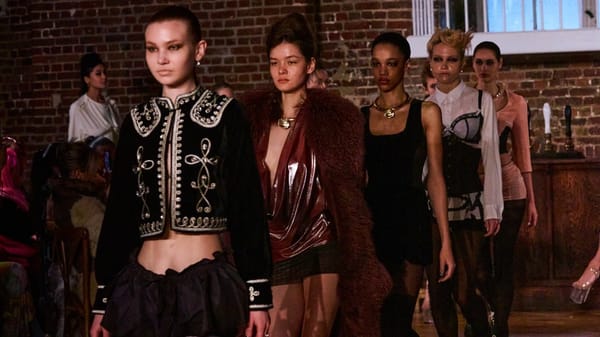
Kate Moss, Lucian Freud and the Portrait That Says Too Much
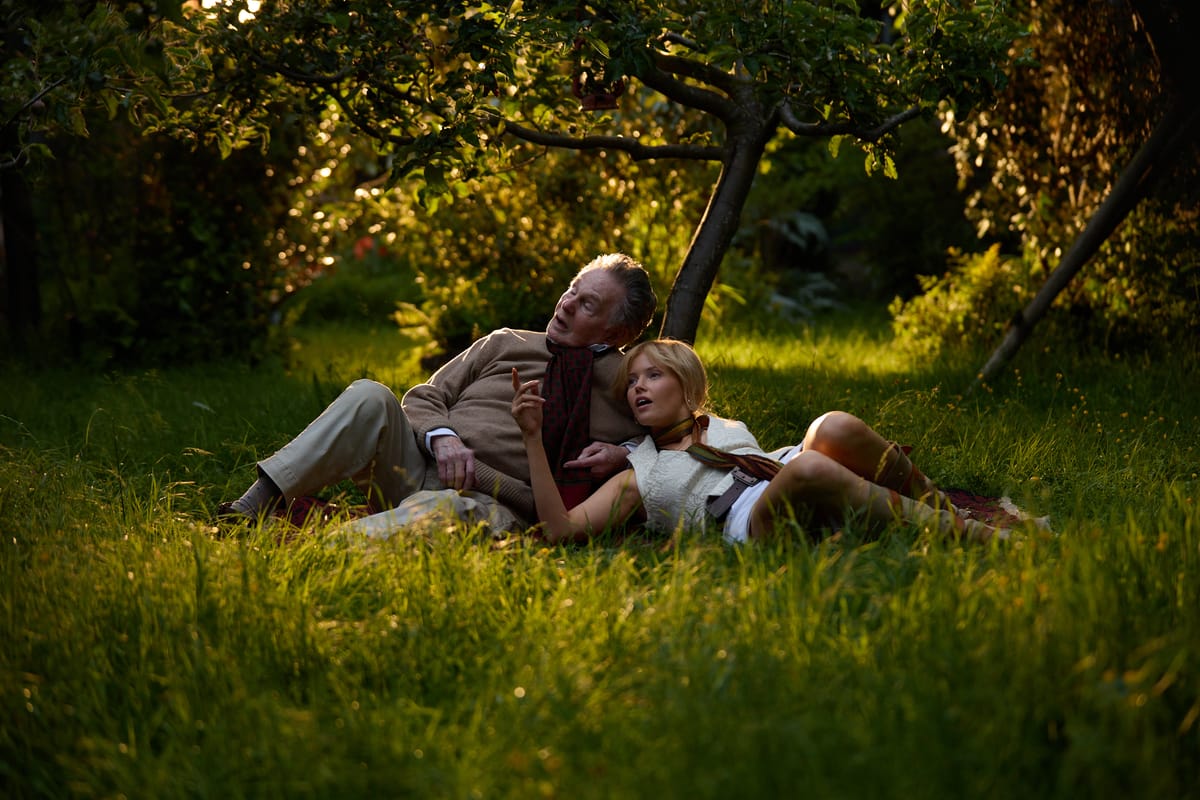

What happens when the line between artist and subject starts to blur? This film doesn't need to spell it out.
There's something quietly uncomfortable at the centre of this film, and it's not the nudity. It's the intimacy. The story of Kate Moss sitting for Lucian Freud has always been framed as artist and muse: a moment in time that resulted in one of his most talked-about works. Watching it unfold on screen, it feels more layered than that. Not inappropriate or explicit, but undeniably charged.
Long hours in a private studio, shaped by silence, observation and repetition, create an environment where vulnerability is not optional but expected. What begins as a professional exchange gradually becomes harder to define. In that kind of setting, boundaries do not disappear, but they do begin to shift.
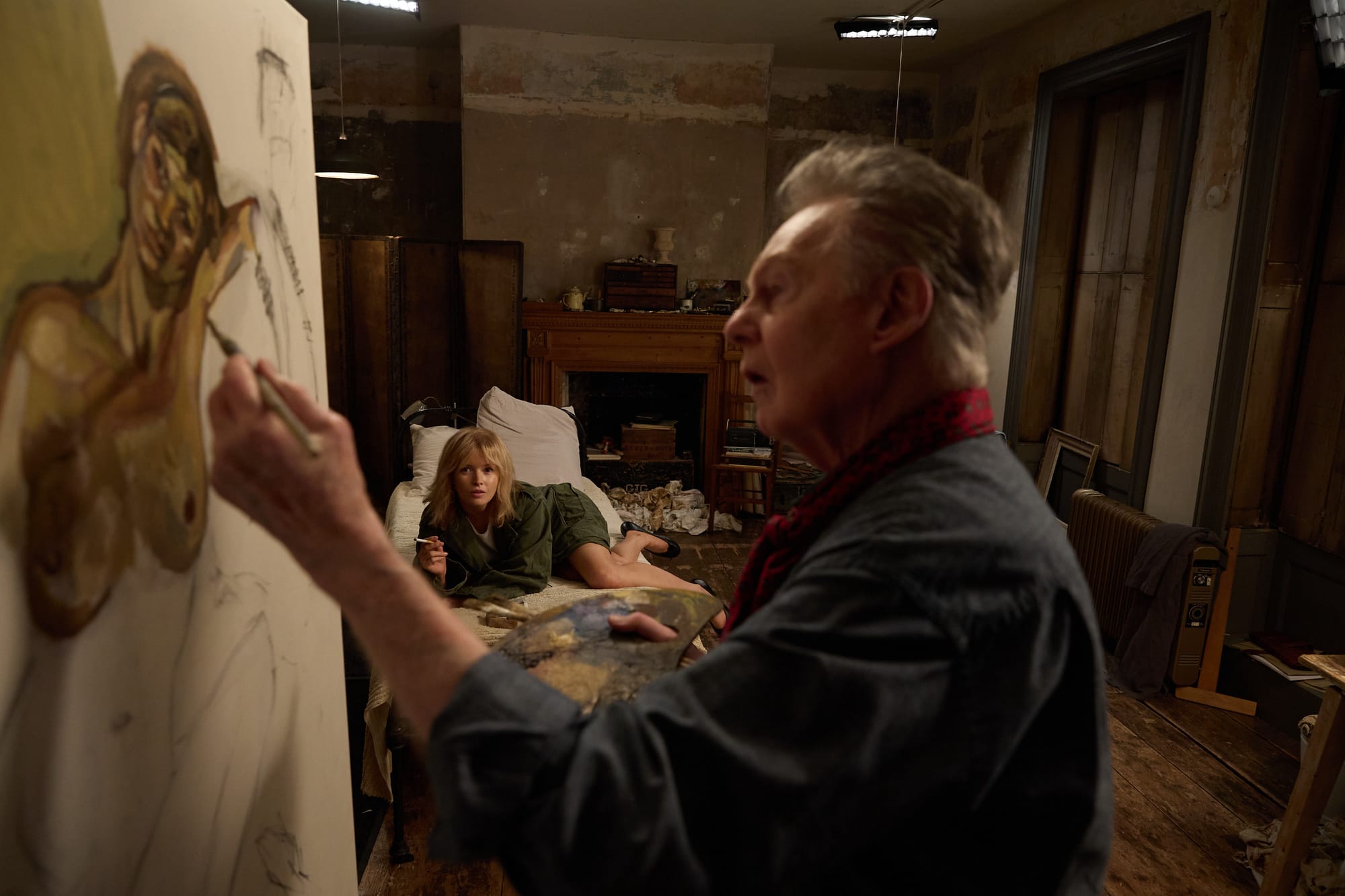
There is a subtle but persistent sense that Freud's connection to Moss extended beyond the canvas. The film does not overstate it, but it lingers in the attention he gives her and in the emotional weight that appears to sit more heavily on one side than the other. It suggests a dynamic where he may have developed feelings, whether platonic or otherwise, while she remained more self-aware, grounded and separate. Derek Jacobi, in a performance of quiet authority, makes that attachment feel entirely believable without ever making it explicit. Ellie Bamber's Moss is equally considered, projecting both openness and a kind of protective remove.
That imbalance is what gives the film its edge. Alongside the portrait itself, another dynamic runs quietly underneath, one that speaks less about art and more about attention. Freud's relationship with his own children sits in the background, and it is difficult to ignore the contrast between distance at home and intensity in the studio. The film does not resolve this tension, but it invites the question of who is truly seen and why.
Moss's role within that space is equally significant. What she offers is not just her image, but her presence, her stillness and her body, fully exposed in a setting shaped by someone else's gaze. It is easy to frame that as trust, but it is equally important to recognise the vulnerability within it.
The film also gives proper weight to the circumstances surrounding the sittings. Substance use is present throughout, not sensationalised but woven into the atmosphere, shaping the mood of each session and the toll of the process itself. Then, midway through, Moss discovers she is pregnant. It is a moment the film handles with care rather than drama, but its consequences extend further than the narrative initially suggests. The sittings continue, and Freud continues to paint, now recording not just a woman but a body in the early stages of change. What began as a portrait of stillness becomes something else: a document of transition, of a life quietly reshaping itself beneath the surface. That Freud kept going, that Moss allowed it, says something about the nature of the arrangement that the film leaves deliberately unresolved.
Nothing dramatic unfolds in a conventional sense. There is no scandal, no singular turning point designed to shock. Instead, the film leans into a quieter tension, allowing the audience to sit with what is implied rather than explicitly stated. Whether the relationship remained purely professional or carried emotional undertones is left open, but it does not feel entirely neutral.
Ultimately, the film offers perspective rather than resolution. It serves as a reminder that art is rarely detached from the people involved in creating it. Sometimes it holds more than form and technique; it holds feeling, projection, imbalance and unspoken tension. Not everything needs to be defined to be felt, and this film leaves enough space for that to settle.
Moss & Freud is in UK cinemas now.