AI is changing the fashion industry. Let's talk about it. 🗣️✨
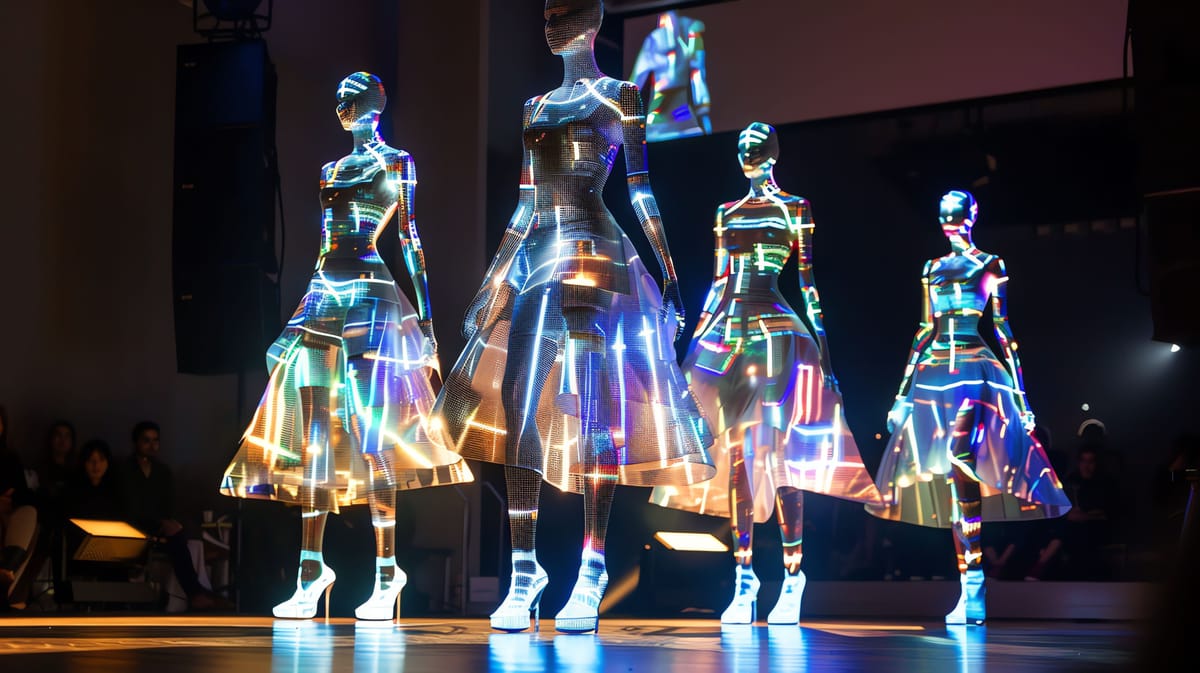

When OpenAI's then-chief technology officer Mira Murati said "some creative jobs maybe will go away, but maybe they shouldn't have been there in the first place" in a 2024 interview, the backlash was instant. For anyone who's ever dreamed of working in fashion, it stung, and the fear isn't unfounded. AI is already embedded in the industry, from design studios to the moment your order gets packed, and most of us haven't noticed.
Some designers are genuinely excited about what AI can do for their work. Norma Kamali has been using a model trained on years of her own archives, pulling generated images as starting points rather than finished pieces. The results still feel completely like her, which is kind of the point. She's using it the way you might use a mood board, not handing the whole thing over.
Tommy Hilfiger went in a different direction during Metaverse Fashion Week 2023, letting customers design their own pieces through a prompt-based generator, alongside digital clothes you could actually wear across platforms. Whether virtual fashion ever becomes a normal part of how we dress is still anyone's guess, but it gives you a sense of where the industry thinks things are heading.
Behind the scenes, brands like Nike and Zara are using AI to get much better at predicting what we're actually going to buy. Closer to home, M&S has grown its market share significantly off the back of AI-driven digital transformation, quietly becoming one of the UK's most compelling examples of the technology working in fashion's favour. Less guesswork means fewer pieces sitting unsold, and eventually less ending up in landfill. For anyone who cares about the sheer volume of unwanted clothing the industry produces every year, it's one of the more hopeful things AI has to offer.
The problems are real, though. A lot of AI-generated fashion content is landing badly with the people it’s supposed to impress. When Gucci released AI-generated images to promote its PRIMAVERA show at Milan Fashion Week earlier this year, the response was brutal. “Terrible AI sloppy work. Shame on you,” read one comment. “Why should people pay for a luxury brand that doesn’t even respect itself enough to use real people?” read another. Some think it was a calculated move, controversy as marketing, and by the time Demna sent Kate Moss down the runway the internet had spent four days arguing about Gucci before a single look dropped. Whether it was strategy or a genuine misstep, the anger was real either way. Valentino faced a similar pile-on in December 2025 after posting an AI-generated video for its Garavani DeVain handbag, with shoppers calling it “cheap,” “lazy” and “disturbing.” And they’re far from alone. When you’re already questioning whether a brand actually stands for anything, that feeling matters. There’s something about knowing a campaign was generated rather than made that’s hard to shake.
What's interesting is that some designers are responding to this not with words but with their actual clothes. On the Fall 2026 runways, Prada showed intentional abrasions, Emilia Wickstead embraced painterly unfinished florals and Ashlyn put raw-edge tailoring with visible stitching front and centre. Designers are quietly pushing back, and it shows in the clothes.
There's also the question of where AI gets its ideas. These tools are trained on existing images, meaning what they produce is built, in some sense, from designs that already exist. In 2023, three independent designers sued Shein, claiming the brand used AI to copy trending pieces. It's the smaller designers who are most vulnerable here, the ones without the money or the lawyers to fight back. The brands that can afford to sit out a legal battle usually do.

And then there's the environmental side, which doesn't get talked about nearly enough. The servers that run AI use huge amounts of energy and water, so while AI might help cut down on unsold stock at one end, it's creating its own environmental costs at the other, and that's before you factor in the electronic waste the industry quietly generates on top.
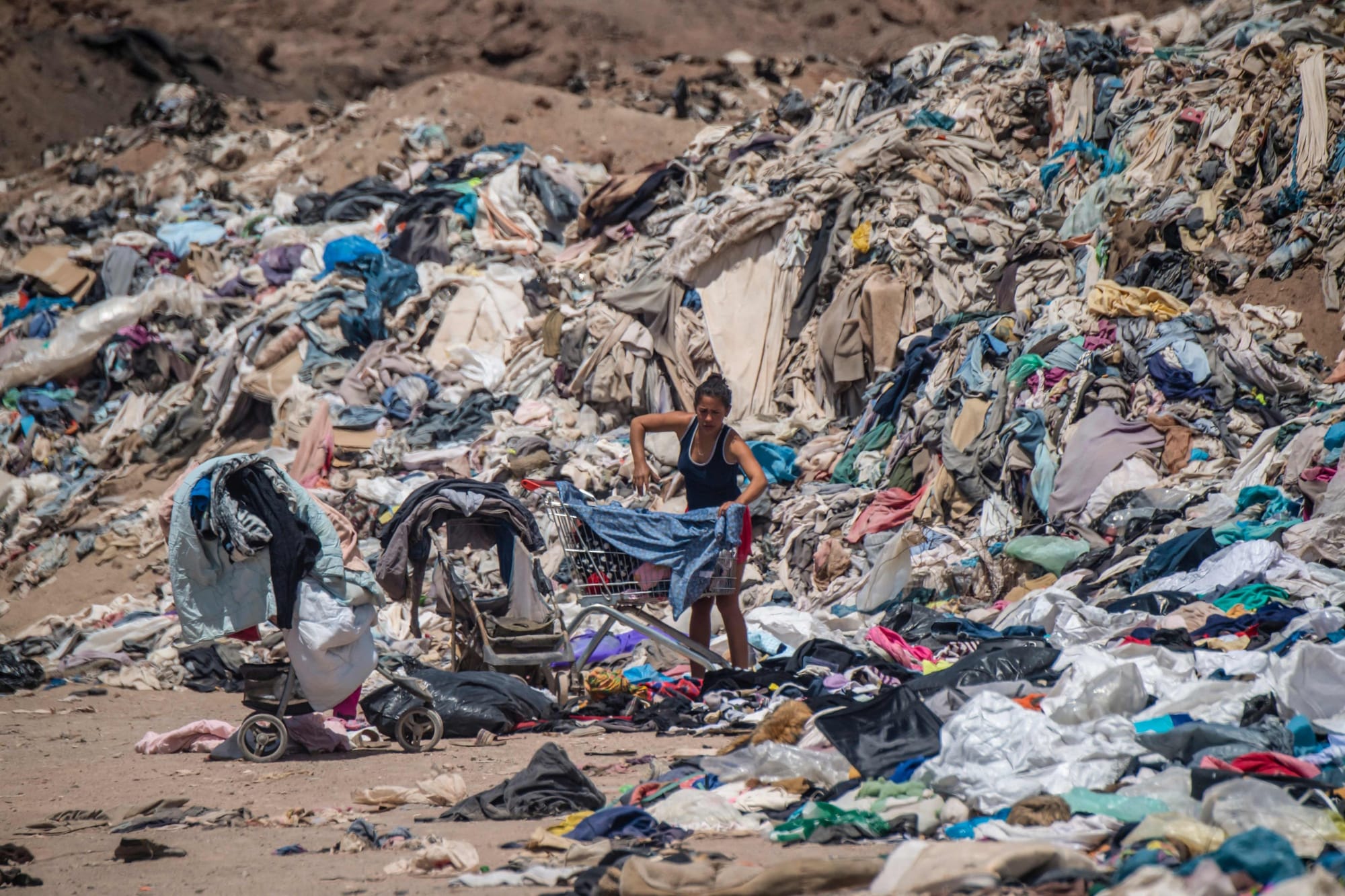
None of this means AI is simply bad for fashion. Used well, it can give designers better tools, help brands waste less and make the whole industry a bit less chaotic. But right now it's moving faster than anyone is properly reckoning with, and as usual, it's the smaller designers and emerging creatives who are feeling it first, not the big players who can afford to figure it out as they go.