Gloria Steinem Changed What Women Were Allowed to Say Out Loud 🕊️📰🪧
Gloria Steinem has died aged 92, after more than six decades spent bringing women’s experiences out of private conversation and into public life.
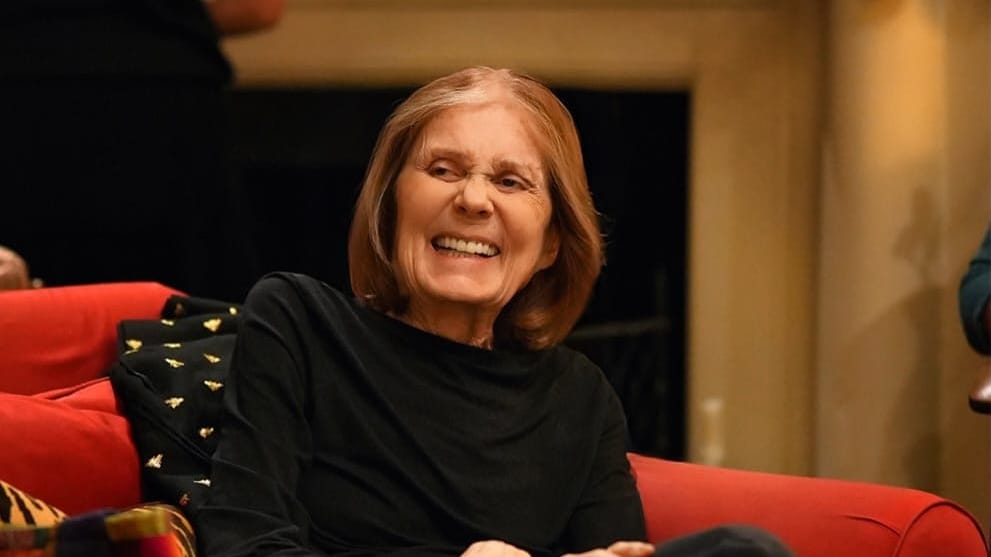

Women were already talking. Gloria Steinem’s particular skill was recognising that what they said to one another in private belonged in print, then helping those conversations travel far beyond the room. Steinem, who became one of the most recognisable voices of the women’s movement, died peacefully at her home in New York on Wednesday, 2nd September. She was 92, and her foundation said she was surrounded by loved ones.
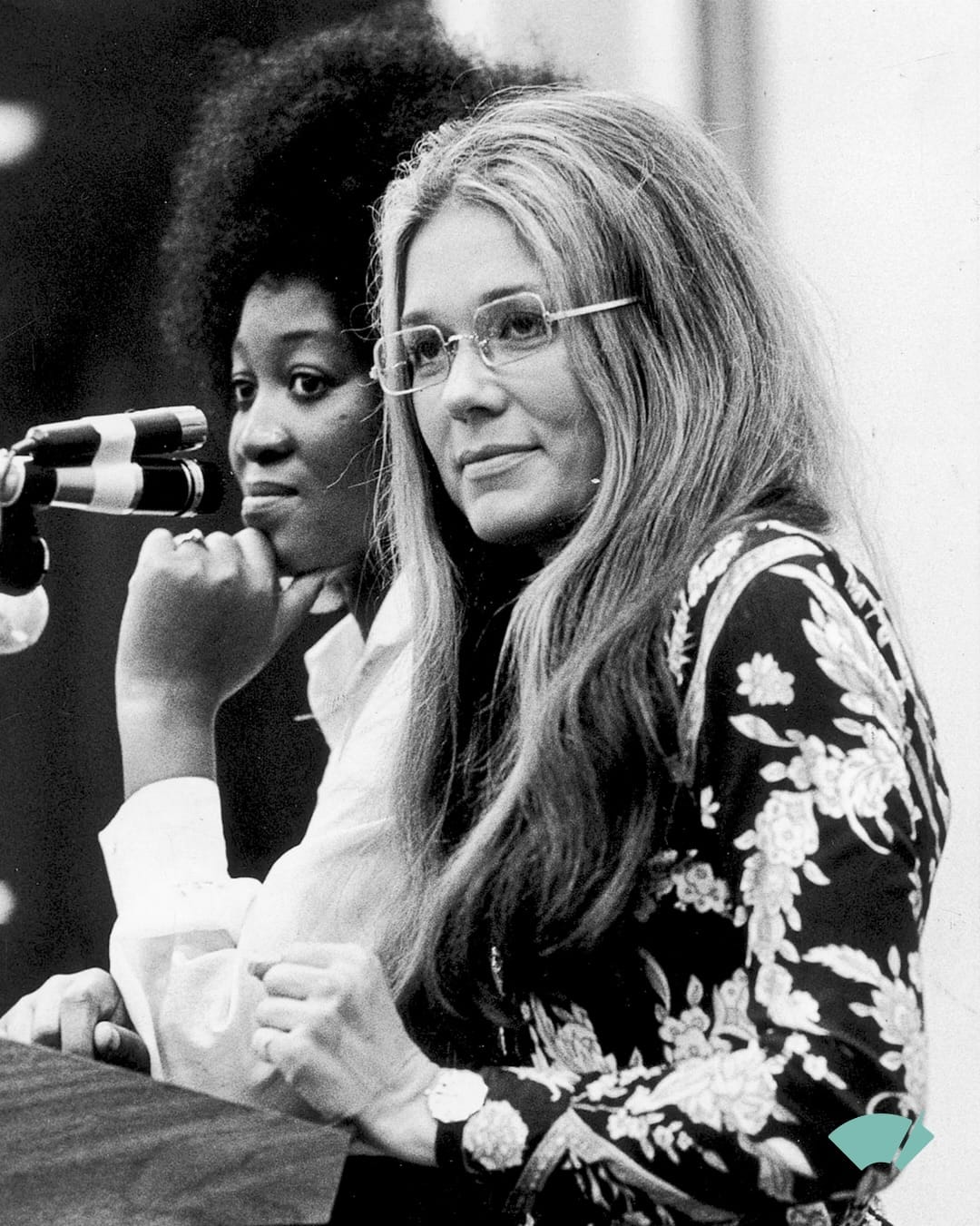
For some women, Steinem’s name takes them straight back to the 1970s. Others will know the tinted aviator glasses before they know much about the woman wearing them. She became such an effective symbol of American feminism that the image can now get in the way of the story. Her obituary deserves to begin where her public life did: with journalism.
She paid attention to the ordinary details of women’s lives. The pressure to choose between marriage and meaningful work, poor pay, unsafe workplaces, restricted reproductive choices and violence at home were usually treated as separate problems, if they were discussed at all. Steinem helped a mass audience see the pattern. These were questions about power, and about whose version of events was believed.
Journalism in the early 1960s gave women very little room to do that work. Female writers were routinely steered towards fashion, society and domestic subjects while politics and public affairs were left to men. In 1963, Steinem spent 11 days working undercover as a Playboy Bunny in New York. Her two-part report, ‘A Bunny’s Tale’, exposed poor pay, harassment and the rules controlling the women’s appearance and behaviour.
The assignment made her nationally known, although not always in the way she had hoped. Steinem later said that editors became less willing to take her seriously because she had been photographed in the Bunny uniform, regardless of why she wore it. It is a grimly familiar story: the image travelled further than the reporting, then followed the woman who had produced it.
A further turning point came in 1969, when Steinem covered a meeting where women spoke publicly about having illegal abortions. She had undergone an abortion herself in London at the age of 22, but had not yet written about it. Listening to other women describe their experiences pushed her more deeply into the movement and confirmed something that would run through her work for the rest of her life. Women speaking honestly to one another could change what was politically possible.
That belief eventually found a home in Ms. magazine. Steinem and a group of fellow editors launched it as a 40-page sample insert in New York magazine in December 1971. The first standalone issue followed in July 1972, with Wonder Woman on its cover. A national magazine created around women’s own interests and political realities sounds unremarkable now. At the time, it was a direct challenge to an industry that mostly addressed women as wives, homemakers and consumers.
Ms. published work on abortion, domestic violence, sexual harassment, work, race, politics and the language used to diminish women. The magazine’s own history describes its editors as translating ‘a movement into a magazine’. They were also proving that experiences dismissed as embarrassing, private or too controversial for polite conversation belonged in serious journalism.
Steinem’s work was never confined to a masthead. In 1971, she joined Shirley Chisholm, Fannie Lou Hamer, Bella Abzug, Betty Friedan and more than 300 women at the founding conference of the National Women’s Political Caucus. It was formed to bring more women into elected and appointed office. She also helped establish the Women’s Action Alliance, the Ms. Foundation for Women and, years later, the Women’s Media Center.
The familiar version of second-wave feminism is far tidier than the movement ever was. Black women, working-class women, lesbians and other marginalised groups repeatedly had to challenge a mainstream that did not always recognise their lives or priorities. Steinem’s fame contributed to another distortion: a huge, argumentative, collective movement became easier to sell as the work of a handful of well-known white women.
Steinem herself was open about how much she learnt from Black women. She toured and organised with the Black feminist and child welfare activist Dorothy Pitman Hughes, supported Shirley Chisholm’s political ambitions and linked sexism with racism and economic inequality in her work. None of that erases the exclusions within the wider movement. It does mean that any account centred on Steinem should name the women who stood beside her, challenged her and helped shape her politics.
The fights that defined her career have not politely remained in the past. Abortion rights have been rolled back in the United States. Women still lose earnings through unequal pay and caring responsibilities. Violence against women is still too often reported as a collection of unrelated tragedies. Even the old arguments about whether a woman can be ambitious, likeable, maternal, independent or ageing correctly continue to turn up in newer clothes.
There has been real progress, much of it won by women whose names never became widely known. Careers, relationships and lives that once required explanation have become possible for more women because earlier generations refused the boundaries set for them. Steinem was exceptionally good at carrying those arguments into rooms, magazines and television screens that might otherwise have ignored them. She also kept insisting that movements belonged to the people doing the work, not to their most famous representative.
Her final memoir, An Unexpected Life, is due to be published posthumously in the UK on 22nd September. It looks back at the childhood, travels, friendships and political work that shaped her, as well as six decades of progress and setbacks. Steinem had hoped to live to 100. Even at 92, she was still writing about what might come next.
That feels closer to the woman worth remembering than another untouchable portrait of a feminist icon. Gloria Steinem listened when women described what was happening to them, put those accounts into print and carried them into public life. She knew that the things women were told to endure quietly rarely belonged to one woman alone. Once said aloud, they became much harder to ignore.