The Plus-Size Model Question Fashion Still Hasn’t Answered 👗
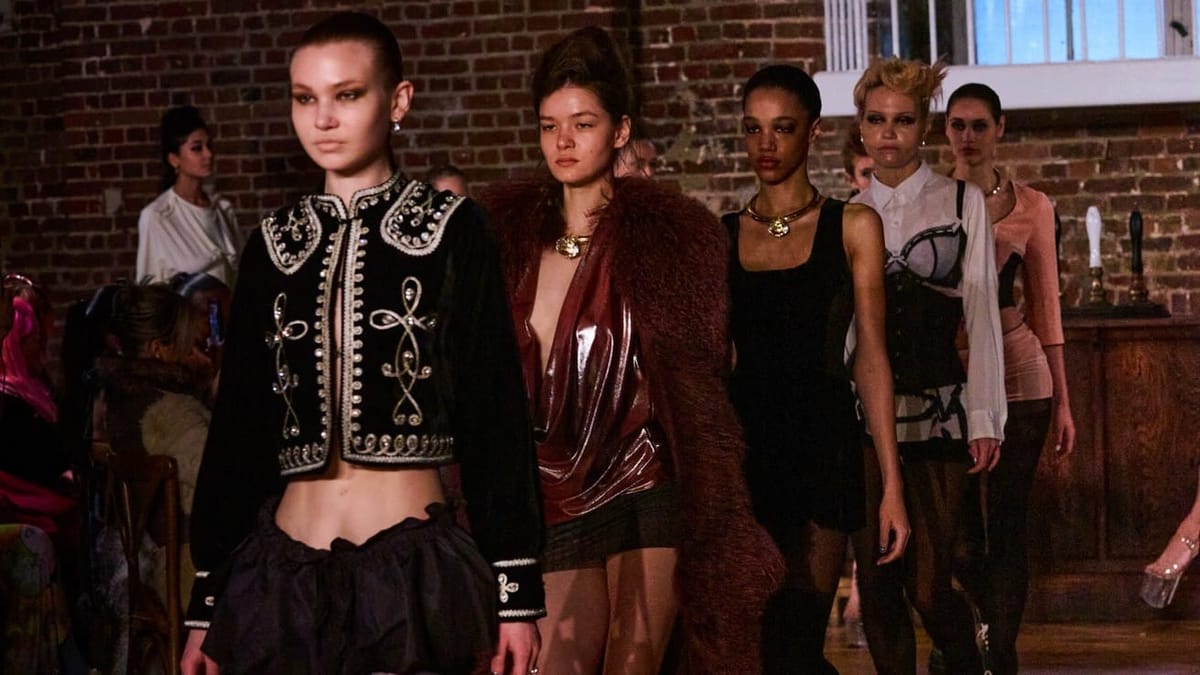

Fashion month has once again reignited debate around size inclusivity on the runway. While conversations about representation have grown louder in recent years, the presence of curve models on catwalks still appears to fluctuate from season to season.
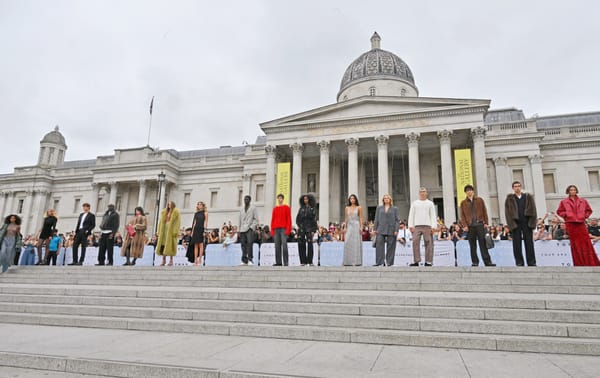
Every fashion month promises a glimpse into the future of style. Designers unveil their latest collections, creative directions emerge and the runway offers a snapshot of where fashion believes it’s heading next. But alongside the excitement of the shows, a familiar question keeps returning: where are the plus-size models?
It’s a conversation that has followed fashion month for years. Despite ongoing industry discussions about inclusivity and representation, the visibility of curve models on the runway still appears inconsistent, rising in some seasons and falling in others.
Recent tracking from model and inclusivity advocate Felicity Hayward has added further context to the discussion. Through her ongoing #IncludingTheCurve Report, Hayward has been monitoring the presence of plus-size models across the major fashion weeks including New York, London, Milan and Paris, offering a clearer picture of how representation shifts from season to season.
Her latest observations around London Fashion Week suggest that while the number of curve models was slightly lower than the previous season, the overall figures remained relatively close to last year’s totals. The data highlights how even small shifts in casting across a schedule of dozens of shows can noticeably affect representation across the wider fashion month landscape.
Her findings suggest that while there have been moments of progress, the trajectory hasn’t been linear. Instead, representation often moves in waves, improving in one season, only to decline again in the next.
Representation shouldn’t be a trend that comes and goes with the seasons.
When Inclusivity Is Part Of The Vision
Despite the wider fluctuations seen across fashion month, some designers have demonstrated that consistent size-inclusive casting is entirely possible when it is embedded into the creative vision of a brand.
Christian Siriano has long been recognised for presenting a diverse range of body types on his runway. Curve models regularly appear in his shows as part of the overall narrative of the collection rather than as symbolic additions. The result is a runway that feels natural and considered, where different body shapes are presented as part of fashion’s landscape rather than treated as exceptions.
A similar approach can be seen in the work of London-based designer Karoline Vitto, whose label has built a reputation for celebrating a range of body shapes on the runway. Rather than adapting traditional designs for different bodies, Vitto’s collections are developed with those bodies in mind from the outset. Her shows consistently feature models across a broad size spectrum, presenting garments designed to move with, and celebrate those forms.
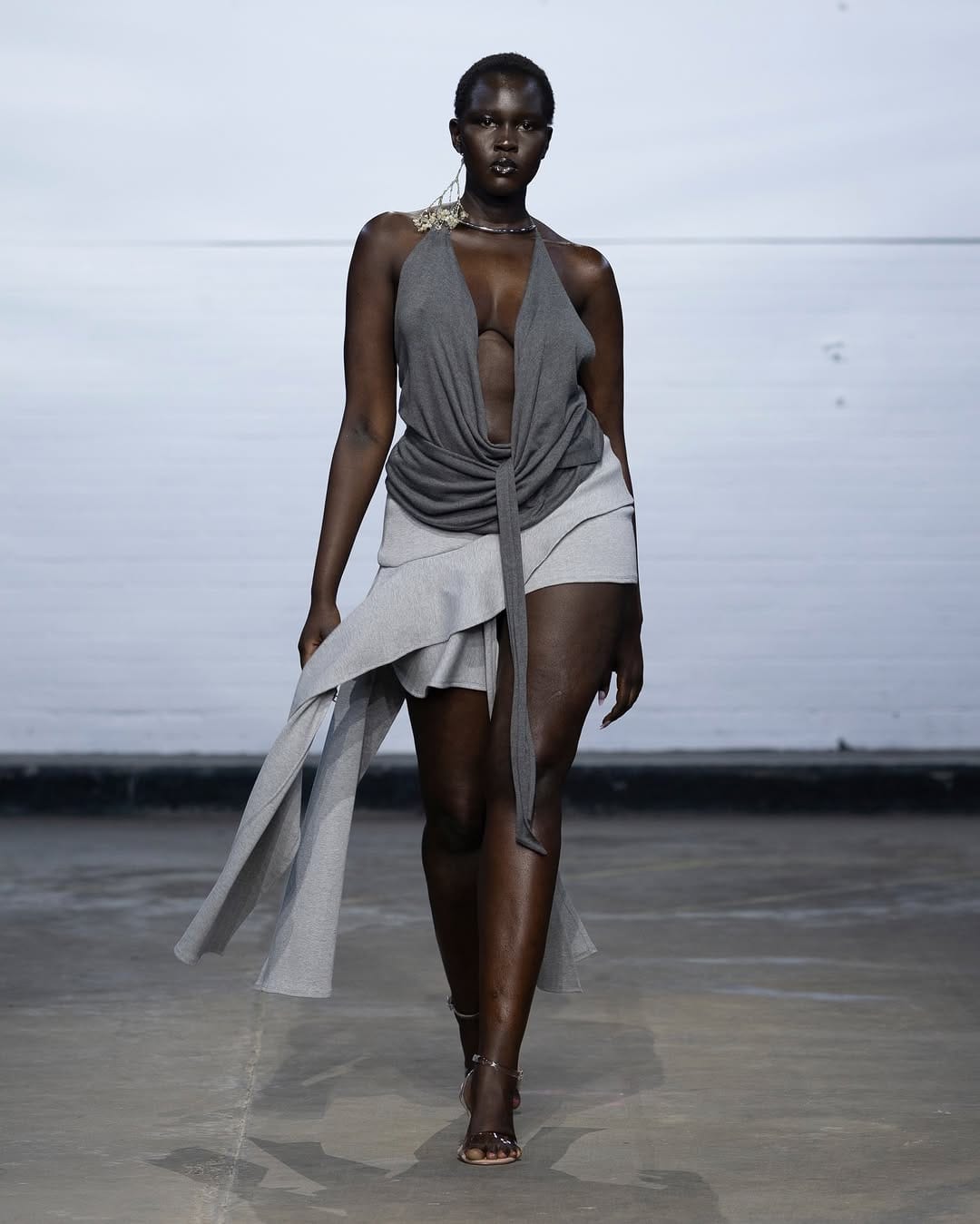
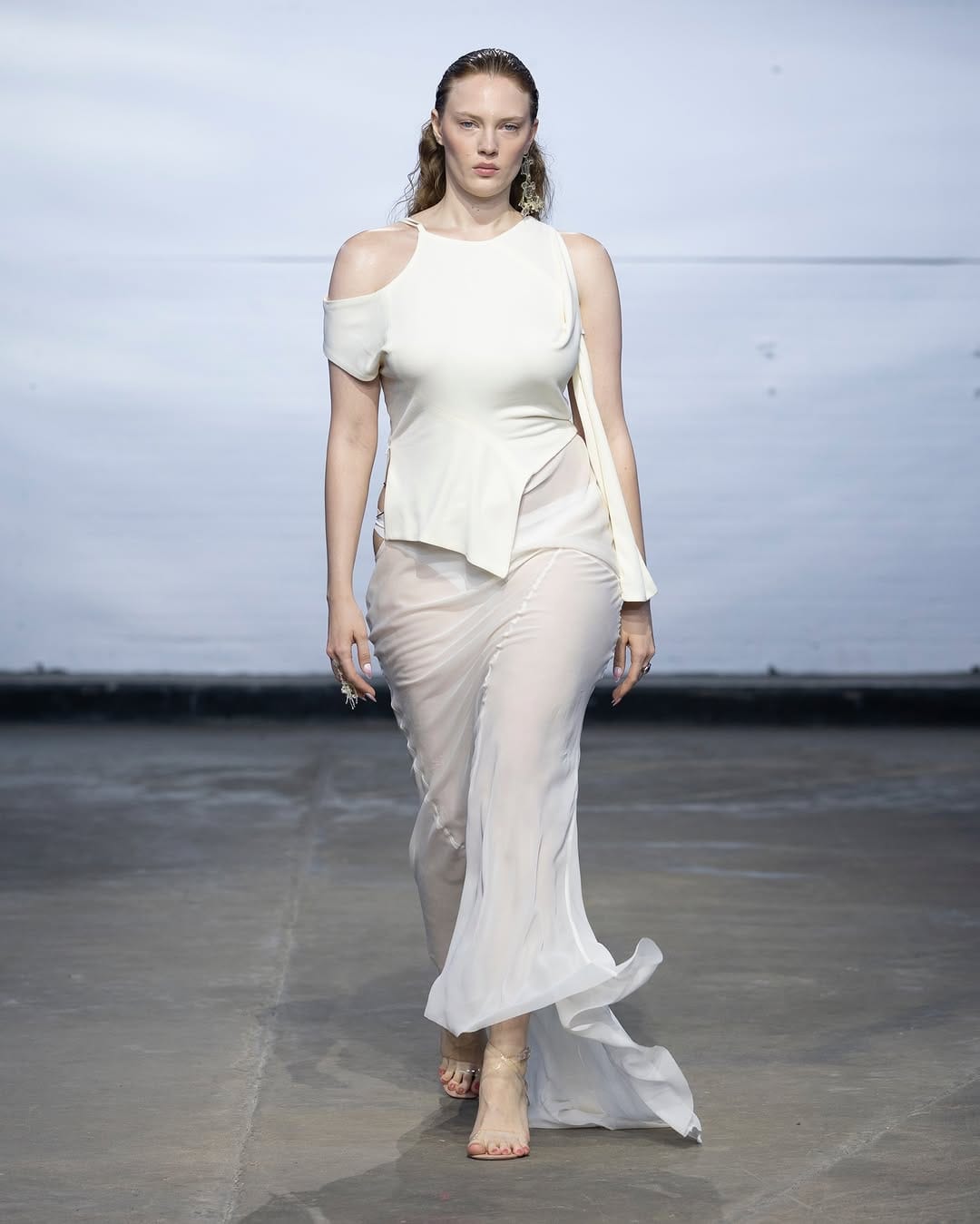
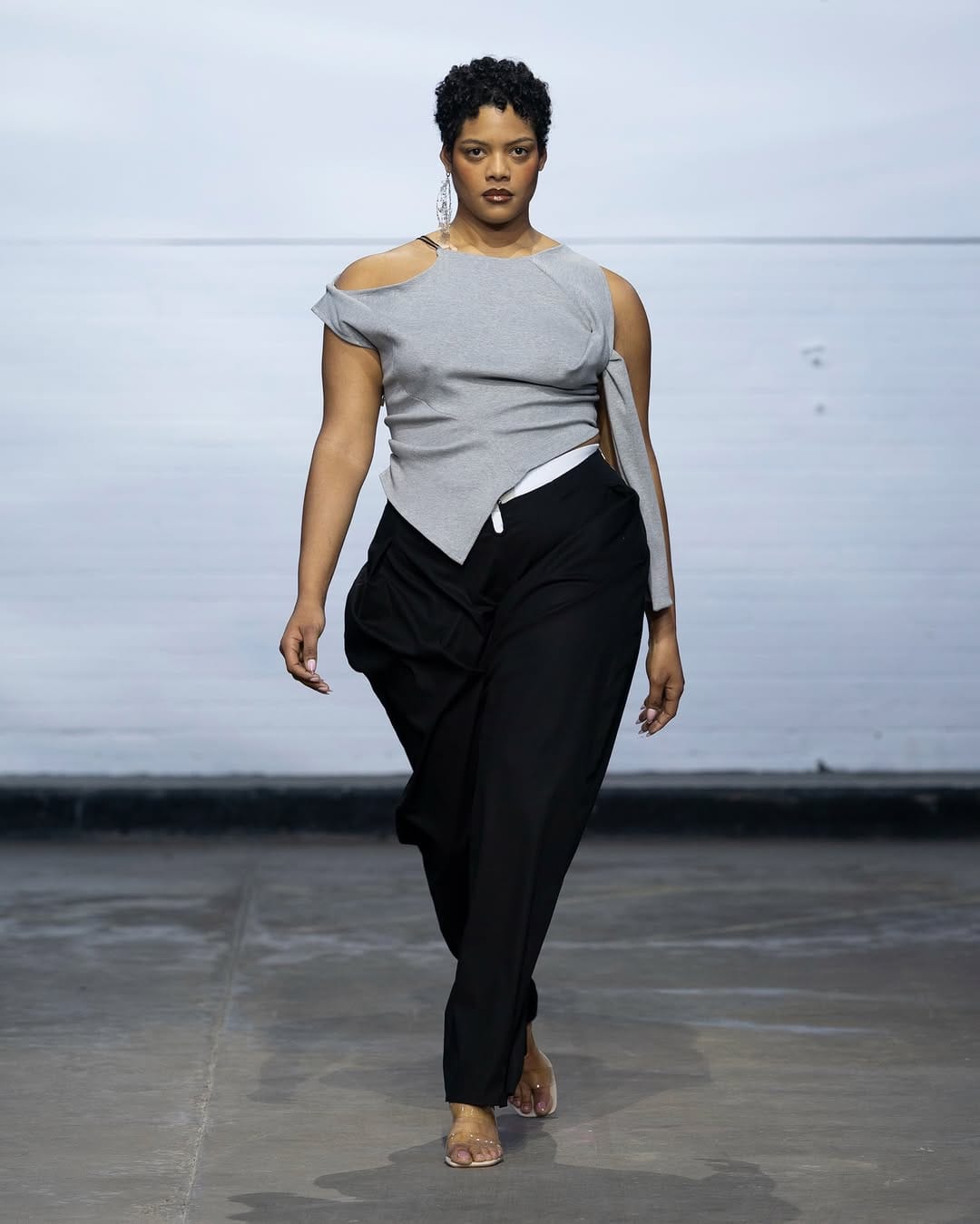
In these moments, representation feels intentional rather than performative.
The Industry’s Ongoing Tension
Fashion has always reflected the wider cultural conversations happening beyond the runway. As body positivity and inclusivity became more prominent in mainstream culture, the industry began responding with more diverse campaigns and casting. But maintaining that momentum has proven more complex.
The runway remains one of fashion’s most visible stages. It signals which bodies the industry chooses to centre, celebrate and present as part of its vision of beauty and style. When representation appears one season and fades the next, it raises questions about whether inclusivity is being treated as a long-term shift or a temporary response to cultural pressure.
That doesn’t mean progress hasn’t happened. Compared to previous decades, the presence of curve models on runways has undeniably improved. Yet the fluctuations from season to season show that the conversation is far from settled.
While the industry has made visible strides in recent years, critics often point out that representation on the runway still lags behind the diversity seen in the real world. Fashion campaigns, social media and e-commerce platforms have increasingly embraced a wider range of body types, yet the runway, often considered the industry’s most influential stage, continues to reflect a narrower vision of beauty. For many observers, this disconnect highlights the gap between fashion’s public messaging around inclusivity and the pace of structural change within the industry itself.
Designers like Siriano and Vitto demonstrate that size-inclusive casting can feel authentic and integrated into the creative direction of a show. The question now is whether that approach will become standard across the industry or remain the exception.
Until then, the debate around representation on the runway is likely to return every fashion month. After all, the future of fashion isn’t only about what appears on the runway, it’s also about who gets to walk it.