
The CFDA’s Steven Kolb Physically Restrained PETA Protesters at the COS Show 🪧
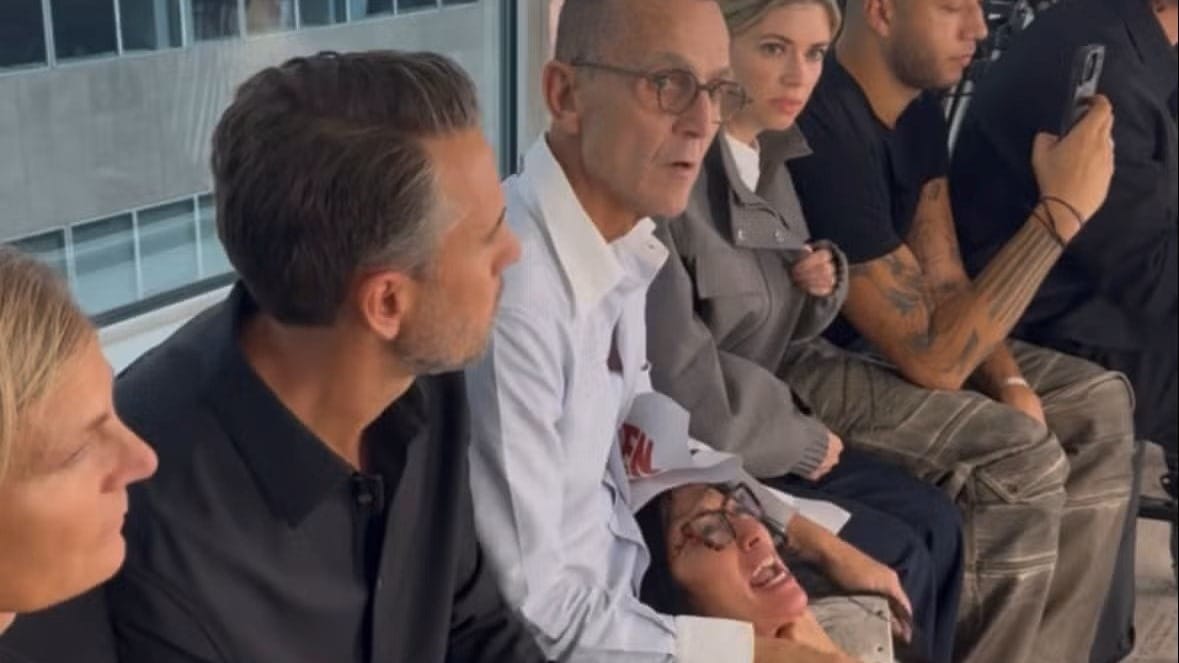

A protest against the use of wool became one of the most widely discussed moments of New York Fashion Week after Steven Kolb, president and CEO of the Council of Fashion Designers of America (CFDA), was filmed physically restraining PETA activists during the COS runway show. Several protesters disrupted the presentation on Sunday, 13th September, walking onto the runway with signs and shouting about the treatment of sheep within the wool industry. The show continued while security removed the activists from the venue.
Footage published by Fashionista.com shows Kolb pushing and grabbing PETA campaigner Mason Melito before placing a hand across his mouth. In another part of the video, he is seen restraining a woman on the floor with his legs around her and attempting to cover her mouth as she continues to protest.
Kolb later addressed his actions in a statement posted to his personal Instagram Stories. “I reacted inappropriately… It wasn’t my place to do so. I should have let the security team handle the situation,” he wrote.
In a separate statement reported by People, the CFDA agreed that disruptions should be handled by the security professionals in place. The organisation has not said whether Kolb’s conduct will be reviewed internally or whether he will face any further action.
PETA said after the incident that its activists planned to file a police report and consider further legal action. At the time of publication, no charge against Kolb has been reported, and whether his actions constitute a criminal offence would be a matter for the authorities to determine.
The protest targeted COS and its parent company, H&M Group, over their continued use of wool. It followed an investigation by PETA Asia into a NATIVA-certified farm in South Africa which, according to PETA, sells wool through a broker connected to H&M Group’s supply chain. PETA claims its footage showed sheep being kicked, dragged and injured during shearing, although the reported supply-chain connection does not establish that wool from the individual farm appeared in the collection presented by COS on Sunday.
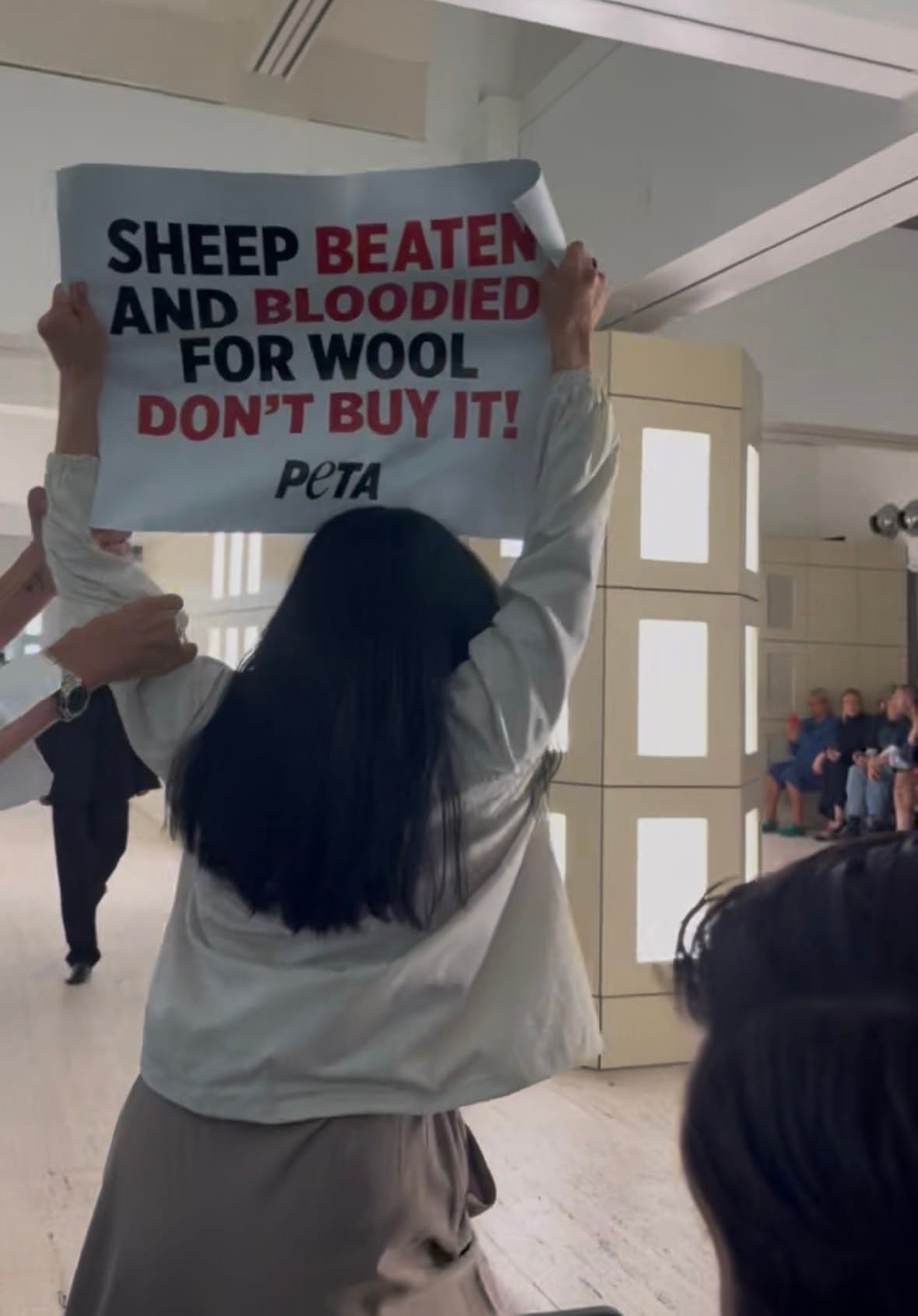
COS and H&M Group have been reported as having acknowledged the incident, saying their priority had been the safety of guests, models and colleagues at the event. Neither company directly addressed Kolb’s conduct or responded substantively to PETA’s allegations concerning the group’s wool supply chain.
The demonstration came during the first New York Fashion Week season operating under the CFDA’s ban on real animal fur across its official schedule. That policy does not cover wool, leather, shearling or other animal-derived materials, which remain central to PETA’s campaigning against the fashion industry. PETA has a long history of disrupting fashion shows to draw attention to animal welfare, and its tactics can be scrutinised without treating them as justification for an industry executive personally taking physical control of protesters.
The CFDA owns and organises the official New York Fashion Week schedule, giving Kolb’s position considerable influence across American fashion. His own statement accepts that the authority attached to that role did not make it his place to intervene as he did.
Kolb’s acknowledgement that his response was inappropriate is significant, but it does not settle what should happen next. With PETA considering legal action, the CFDA must now decide whether his public admission is sufficient or whether the incident requires a formal review.