
Marisha Wallace on Her New Album, Self-Belief & the Pressure to Keep Going 🎶
After five years working on James Etta with Toby Gad, Marisha Wallace talks to me about becoming a more confident songwriter, the nerves before Ronnie Scott’s and the pressure to keep going when you need a break.
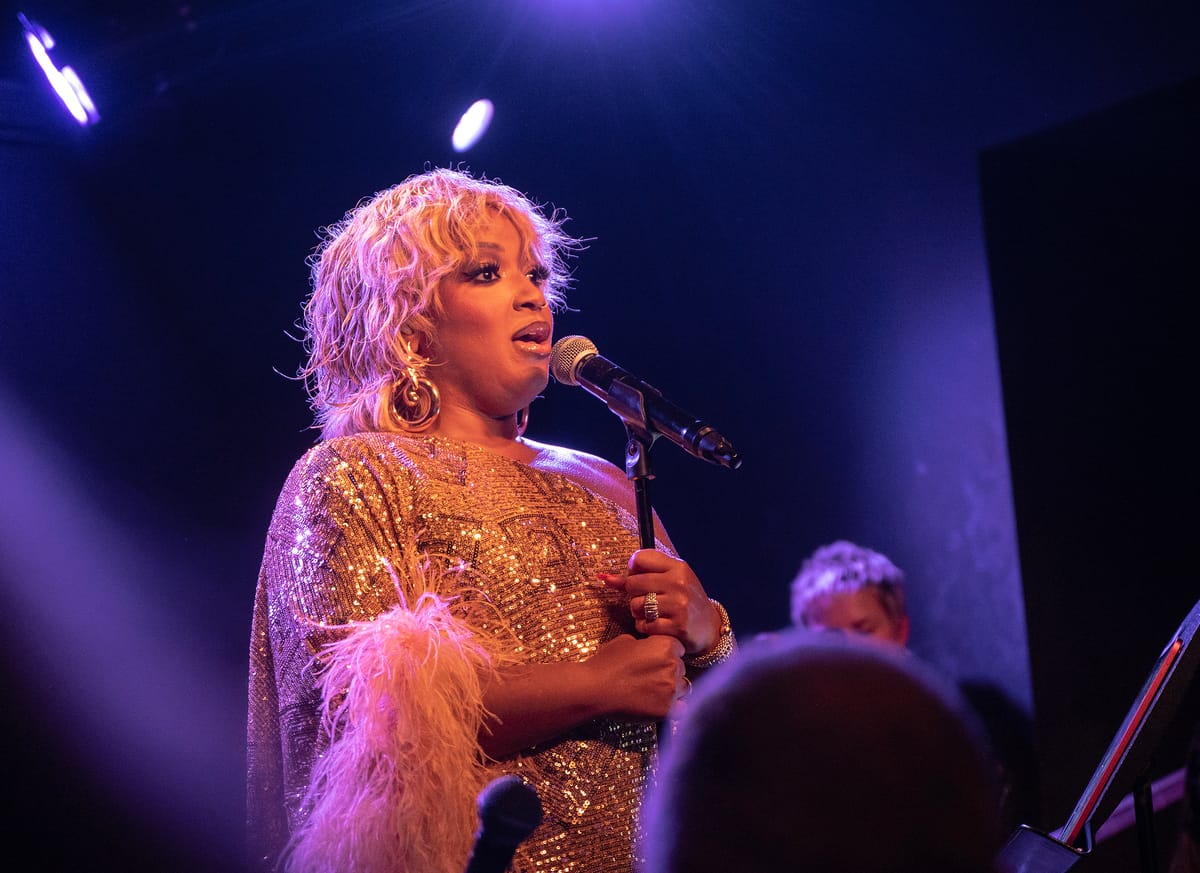

“Girl, I was scared.” Marisha Wallace is remembering the nerves before her Ronnie Scott’s debut. She knew people might arrive wanting the songs they recognised from her stage roles, while she was preparing to share music she and Toby Gad had spent years writing.
So she kept ‘And I Am Telling You’ ready as an encore. If the new music didn’t land, at least everyone would go home having heard a familiar favourite. Even after years on Broadway and in the West End, she wasn’t taking the audience’s response for granted.
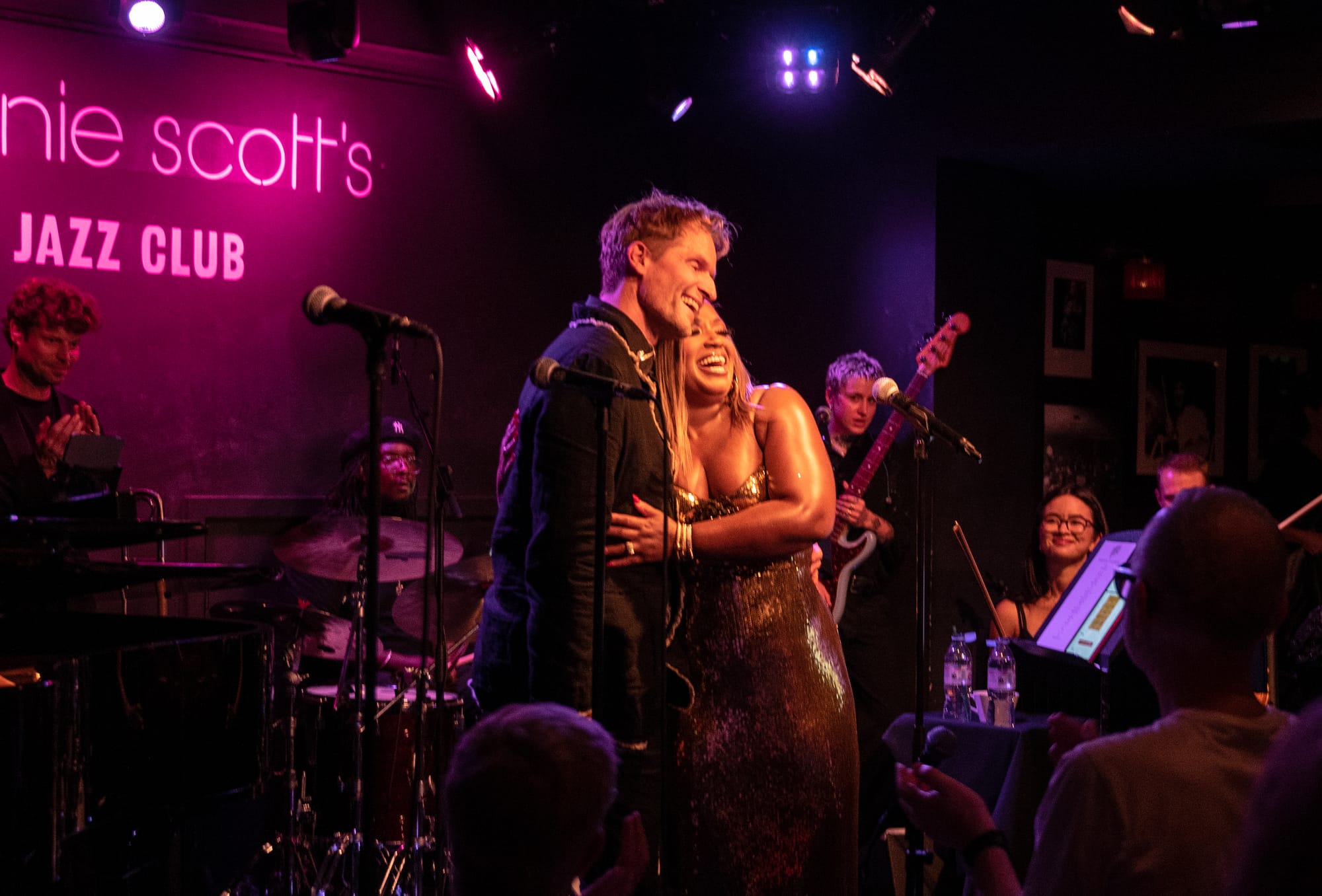
Instead, people sang her own songs back to her. They danced, they cried, and at one point the applause carried on after the music had stopped. Hearing the audience respond to songs they were only just discovering astonished her. She tells me she was on a high for a week afterwards.
Born in North Carolina, Marisha is a singer, songwriter and actress whose career has taken her to Broadway and London’s West End. Her roles have included Effie White in Dreamgirls, Adelaide in Guys & Dolls and Sally Bowles in Cabaret.
I first became familiar with Marisha through Celebrity Big Brother in 2024. We recently featured ‘Don’t Let This Be You’ in FROW News, and listening to the single made me want to know more about her music. We speak in late October, shortly after she has finished her play debut in Table 17. Her forthcoming album, James Etta, draws inspiration from the life of Etta James.

Reading about Etta’s life took Marisha beyond the songs she already knew. I tell her I recognise that distinction. We can love a song and still know very little about what the person singing it was living through.
Marisha explains that the single grew from a story about a young Etta meeting her idol, Billie Holiday. Etta longs to emulate her, but Billie warns her about the destructive path her own life has taken. That warning became the basis of ‘Don’t Let This Be You’.
For Marisha, the story raises questions about what happens after you get the thing you have worked towards. The pressure may increase, people may leave your life and success doesn’t guarantee a support system. As she puts it, “we hear the music but we don’t know the cost of it”.
I ask whether her vision for the album has changed over those five years. “Well, the world changed,” she replies. Writing began during the pandemic, with hours together on Zoom. She wanted to make songs people would return to, long after the trends around them had moved on.
What also changed was her confidence. Toby, whose songwriting credits include Beyoncé’s ‘If I Were a Boy’ and John Legend’s ‘All of Me’, encouraged her to trust her ideas as a songwriter. At first, she tells me, she was happy to put in her “two little cents” and leave it there. Now she is writing songs from scratch.
Their working relationship has room for disagreement. Marisha sometimes wants a more poetic lyric; Toby argues for simplicity. In the studio, he can hear another take in her when she thinks she is finished. “As a vocal producer, he wears me out,” she says. She recalls Toby telling her about pushing Madonna to keep going in a session, too. If Madonna can take it, she reasons, so can she.
When I ask where her story differs from Etta’s, Marisha is clear about the limits of the comparison. She has not experienced heroin addiction. What she recognises is the desire to be loved, the mistakes made in pursuit of it and the difficulty of seeing a situation clearly while you are deep inside it. She also reflects on Etta building a career during segregation, facing racism and restrictions on Black women.
We talk about how easily we can become caught up in the difficulties of our own moment. Marisha is struck by what the women before her managed to achieve with so much working against them.
When we turn to her voice, I ask what she hopes people hear beyond its power. “You get power, but you still feel like there’s a human under there,” she tells me. She wants the story and the vulnerability to come through. Listening to other singers, she is moved by what she hears of their experience, rather than technical accomplishment alone.
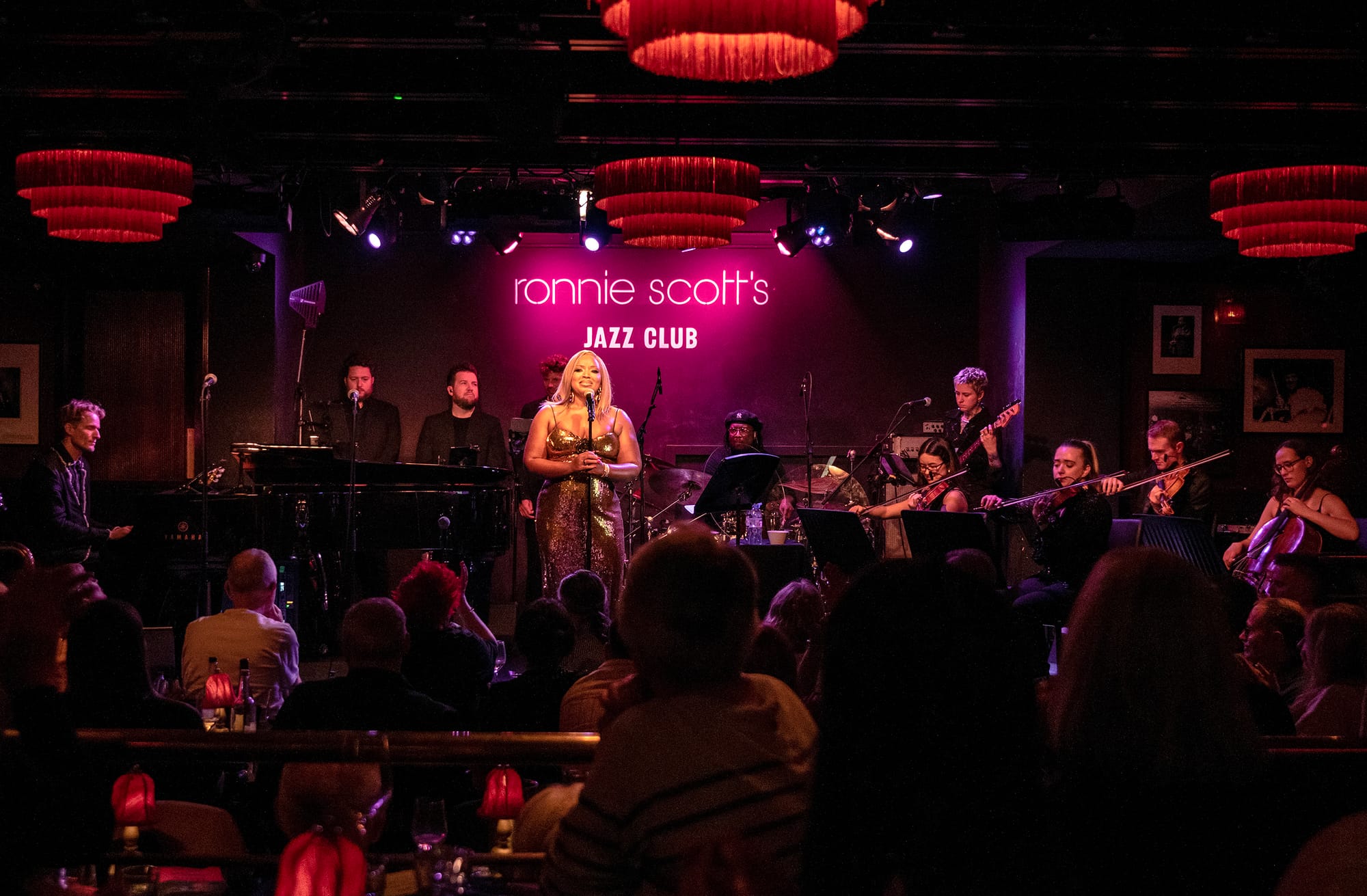
For the two sold-out Ronnie Scott’s shows, she wove recorded voices and sound effects through the music to tell Etta’s story. I ask how she handled the emotion of the audience’s response while still having a show to finish. She returns to that prolonged applause, describing a feeling of worship and of everyone being on the same wavelength.
I tell her I understand the comparison with church, where the tears can arrive before you have much say in the matter. She is thinking, too, about what happens when people have nowhere to express those feelings.
“Where can you go to cry? Where can you go to laugh?” she asks. She feels there are too few real spaces where people can dance, laugh or release their emotions together. That shared experience is part of what she wants to offer through the live performances.
She sees a connection between her working life and those of people who never step onstage. Getting dressed, putting on make-up and going to work can take considerable effort when you are privately struggling. She hopes someone listening to her music might find a way to let some of that emotion out.
For Black women, she says, the expectation to keep delivering can be particularly unforgiving. She describes being taught to care for others, protect them and be better than everyone else, then finding it difficult to give herself a break. The fear is that if you stop, you will be left behind. Now she is becoming more selective about her commitments, choosing work she loves and believes will give something back.
She wants room for mistakes as well. Black art should be allowed to divide opinion, she argues, and artists should have the freedom to try something without being required to get it perfect. “The freedom to make a mistake is equality,” she says.
Some of her happiest memories of making the album are from Mexico, where she travelled with her partner to finish writing with Toby. She remembers going to the beach in the morning, then working in the studio, amazed that this was her life. There was another memorable session in Los Angeles with her friend Jacob Lusk, known for his work with Gabriels, who joined her to write a song.
Learning the lines for Table 17 had been another challenge, fitted around other work including the Disney Proms and judging Miss America. When she describes juggling those commitments, I tell her she needs to be kind to herself and rest. “Someone literally asked me to do something today and I was like, ‘I’m sitting down.’” She has already started saying no.
Before we finish, I ask what she sings when she’s at home, with no audience and no rehearsal. Amy Winehouse, Olivia Dean and Dionne Warwick make the list. Whitney Houston requires more preparation. “You just can’t sing her around the house though,” she jokes. “You gotta really prepare to sing Whitney.” I reply that I will sing Whitney around the house, but only when I’m alone.
Asked what else she wants people to know about James Etta, Marisha returns to Etta’s survival. She wants listeners to remember that Etta lived to see her legacy recognised, rather than knowing her only through her difficulties. For Marisha, this is an album about “triumph over struggle”.
Marisha Wallace and Toby Gad’s new single, ‘Don’t Let This Be You’, is out now.